Experience Husqvarna Motorcycles
DESCUBRE
Modelos
DESCUBRE
MOTOCROSS
DESCUBRE
2-Tiempos
DESCUBRE
TC 250
DESCUBRE
TC 150
DESCUBRE
TC 125
DESCUBRE
TC 85 19/16
DESCUBRE
TC 65
DESCUBRE
TC 50
DESCUBRE
4-Tiempos
DESCUBRE
FC 450
DESCUBRE
FC 250
DESCUBRE
FC 250 HERITAGE
DESCUBRE
ENDURO
DESCUBRE
2-Tiempos
DESCUBRE
TE 300
DESCUBRE
TE 250
DESCUBRE
4-Tiempos
DESCUBRE
FE 501
DESCUBRE
FE 450
DESCUBRE
FE 350
DESCUBRE
FE 250
DESCUBRE
Cross Country
DESCUBRE
FX 350
DESCUBRE
TX 300
DESCUBRE
TRAVEL
DESCUBRE
NORDEN 901 EXPEDITION
DESCUBRE
701 ENDURO
DESCUBRE
VITPILEN
DESCUBRE
VITPILEN 401
DESCUBRE
SVARTPILEN
DESCUBRE
SVARTPILEN 401
DESCUBRE
SVARTPILEN 250 ABS
DESCUBRE
E-Minis
DESCUBRE
EE 2
DESCUBRE
Modelos Anteriores
DESCUBRE
Repuestos y accesorios
DESCUBRE
Soporte
Post Venta
DESCUBRE
Garantía
DESCUBRE
Garantía Offroad
DESCUBRE
Manuales
DESCUBRE
Experiencia
Test Ride
DESCUBRE
Paseos Adventure
DESCUBRE
Asistencia Racing
DESCUBRE
Noticias
DESCUBRE
Husqvarna Motorcycles App
DESCUBRE
La Marca
DESCUBRE
Good Old Times
DESCUBRE
Concesionarios
Sucursales
DESCUBRE
Distribuidores
DESCUBRE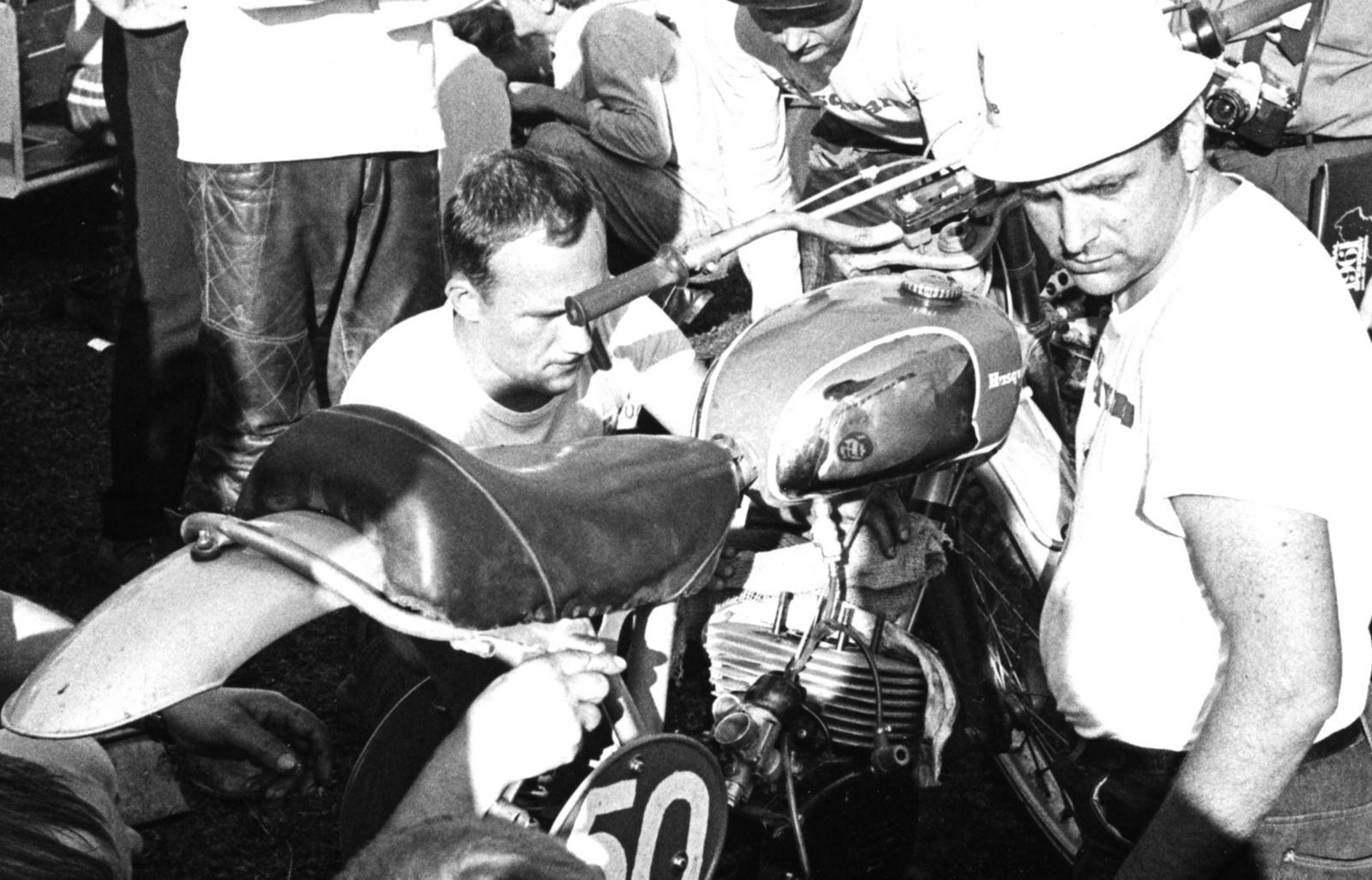
Scroll down
Pinning Husky Throttle
By Kenneth Olausson

At the introduction of the Silverpilen, there were no racing-enduro machines to be bought. And the options available for racing were negligible as the machine’s legal weight of 75 kg had to be respected. Consequently, the new Silverpilen was neither intended for competition, nor was it considered a suitable machine for offroad riding, in those days named "T" for "Reliability" in Sweden. In the late summer of 1955 Husqvarna engineer Ruben Helmin said, "if you're going to race with this machine, you have to blame yourself. The Silverpilen is a vulnerable machine, not made for racing purposes. The suspension is not good enough on the wooden trails, gravel roads and dizzy ruts."
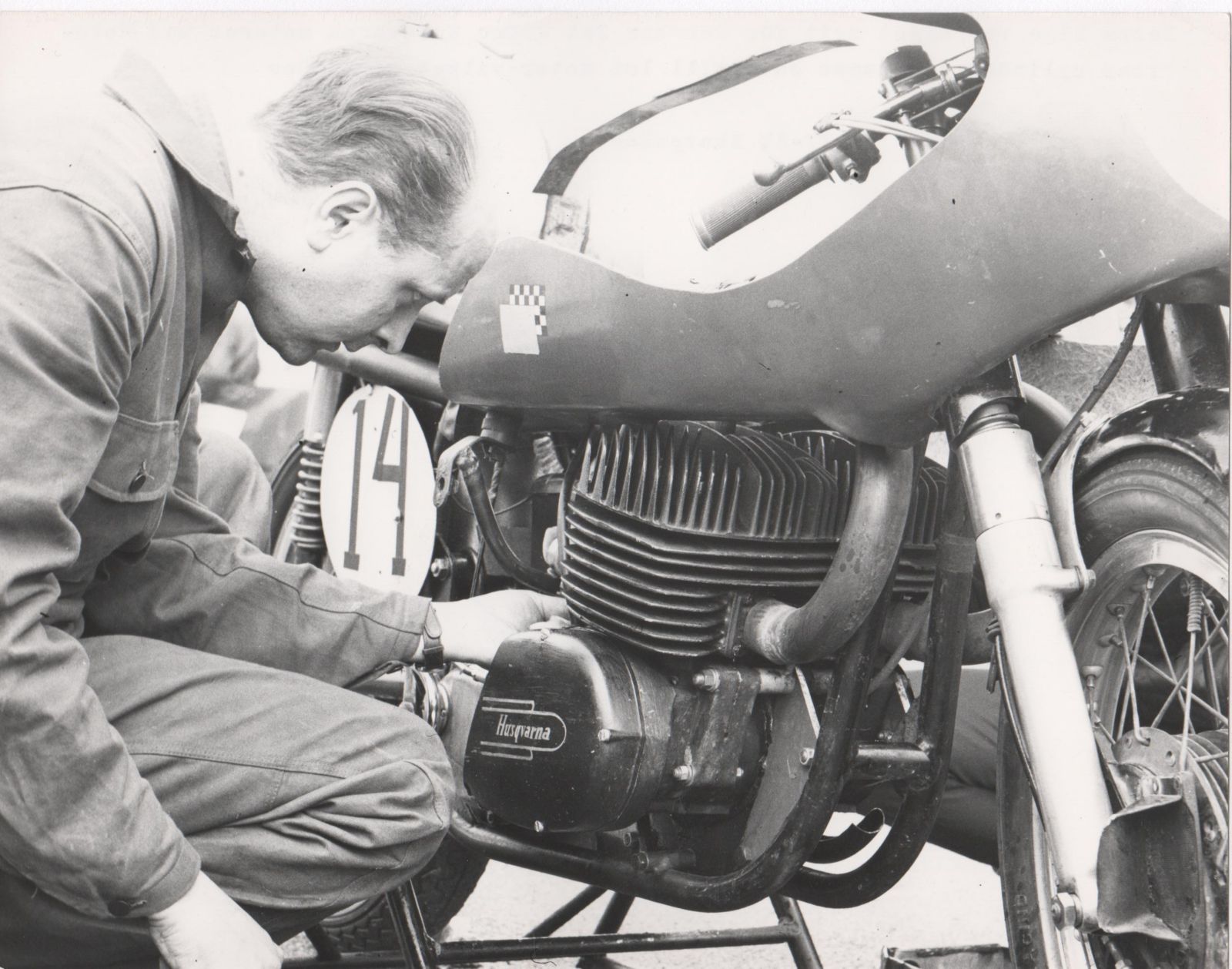
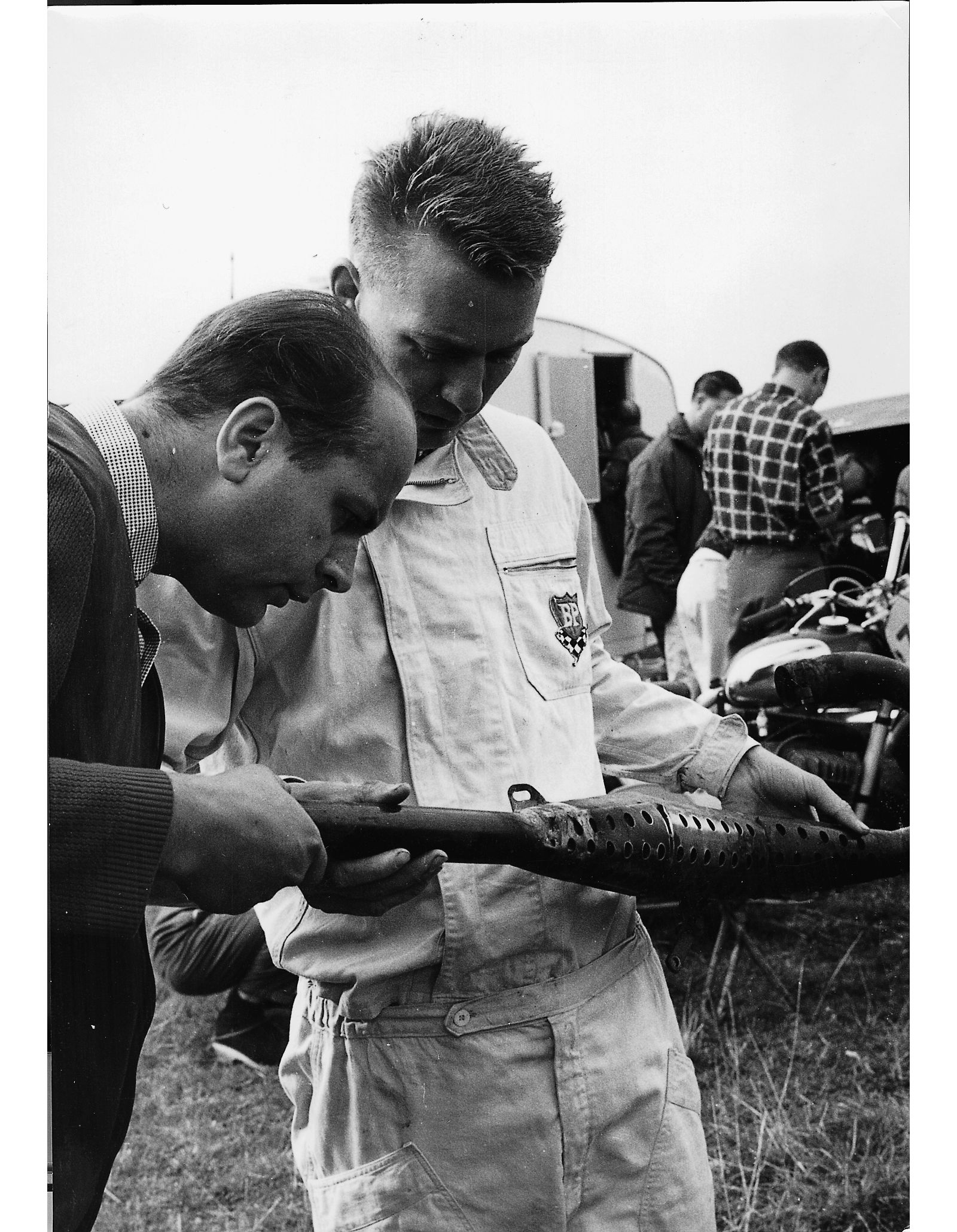
Husqvarna also delivered motorcycles to the Swedish Army, which demanded time and development from the technical department. "The model 256A was a true military motorcycle. At first, they asked for a quote of 5,000 units, but in the end the military just bought a thousand green-painted machines. There was more work than profit," concluded Helmin.
In the early 1960s, Helmin had an idea of putting two 250 engines together. It resulted in a potent twin-power plant with a displacement of half a litre. But it was not until 1967 that he began developing his thoughts. Helmin managed to integrate double 2-strokes into one power unit. After tests, the 137 kg Husky beast was over-bored to 504cc, which made it eligible for the FIM-cup during 1969. They won the cup and a 492cc machine was shipped to the Mexican Baja 1,000 race. With the ace riders Gunnar Nilsson and J.N. Roberts, Husqvarna also won this classic event, with a good margin. However, the double-engine model never reached production despite success both in Europe and the United States. In the 1970s, the big peak came after Bengt Åberg, Heikki Mikkola and Håkan Carlqvist had won individual motocross world titles. Helmin was responsible both in the 250cc and 500cc classes where his services were demanded on the highest level. "It was a superhot period and difficult deciding to which Grand Prix I should travel," Ruben said, scratching his head.
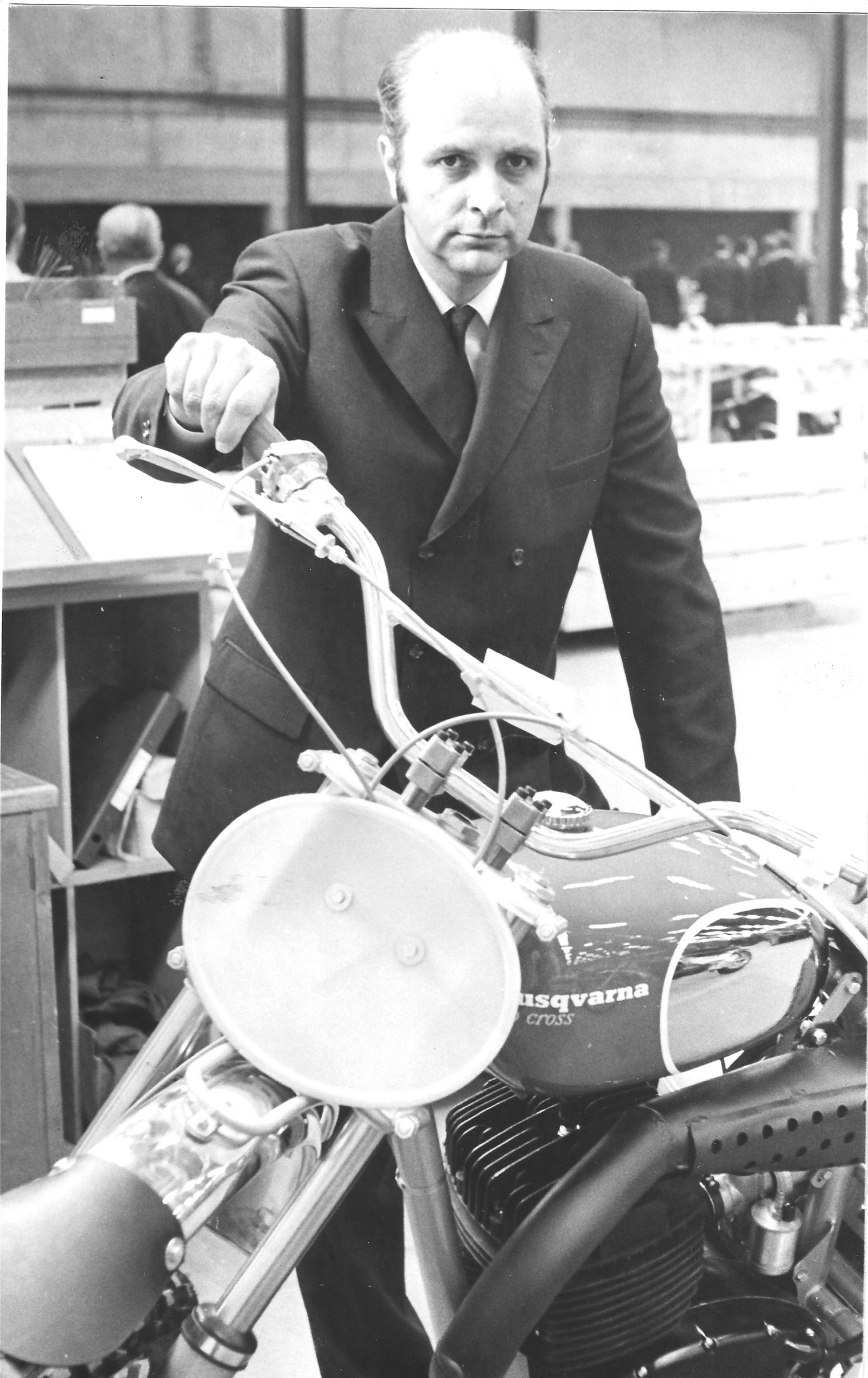
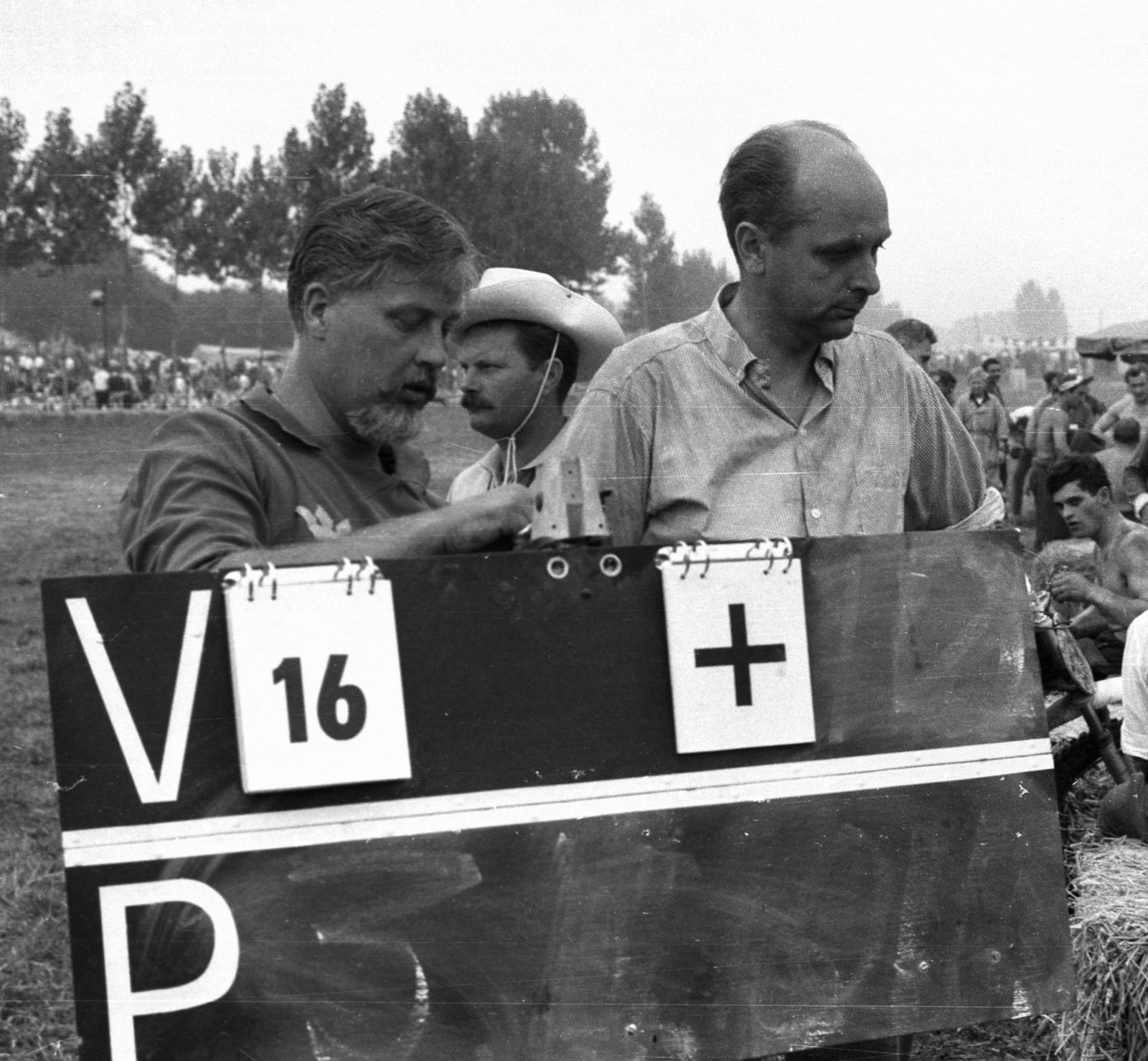
Helmin stayed in the technical department for 19 years until 1983, when he was appointed Head of Quality and Racing Department. At this time, he strongly recommended a future where the 2-strokes and the 4-strokes would be separated. Helmin was convinced that environmental concerns would soon prevail, and these machines would be held apart into two classes, where the 2-strokes would suffer. Being a forward thinker with strong visions was his specialty. Three years later, the Italian Cagiva factory bought Husqvarna, which meant that mister Helmin again changed positions. The wise old man now had the responsibility for domestic sales. In 1989, Ruben went on to establish Husaberg as a new motorcycle company. Together with a small group of people, the machines were successful in enduro. In 1994, Helmin's career came to an end. He had been in the two-wheel business for more than 40 years and at the age of 84, Ruben died peacefully, knowing to have served Swedish motorcycling successfully.